




The relationship between FUJI ROCK's initiatives and social movements
Atomic Café will be held at NEW POWER GEAR Field / Gypsy Avalon.
Since its inception in 1997, FUJI ROCK has championed "coexistence with nature" and provided an opportunity to reflect on issues concerning the natural environment and society.
We have created an environment to showcase various social activities, such as stage appeals by NGOs working in areas like the environment, peace, and human rights, and the establishment of an NGO VILLAGE, thereby conveying messages about these activities. At the same time, we have promoted energy transition and aimed for coexistence with nature by introducing and implementing clean energy sources such as biodiesel fuel and solar power generation within the venue.
Following the 2011 Fukushima Daiichi nuclear power plant accident, FUJI ROCK has supported the movement to consider "social issues" by providing its NGO VILLAGE and a portion of the Gypsy Avalon stage to "Atomic Café," an anti-nuclear and anti-nuclear power event that has been carried on since the 1980s.
About Atomic Café in 2026
At Gypsy Avalon, I will be giving a talk on the theme of "15 Years Since the Fukushima Accident" on Saturday, July 25th, and a talk and live performance on the theme of "War and Peace" on Sunday, July 26th.
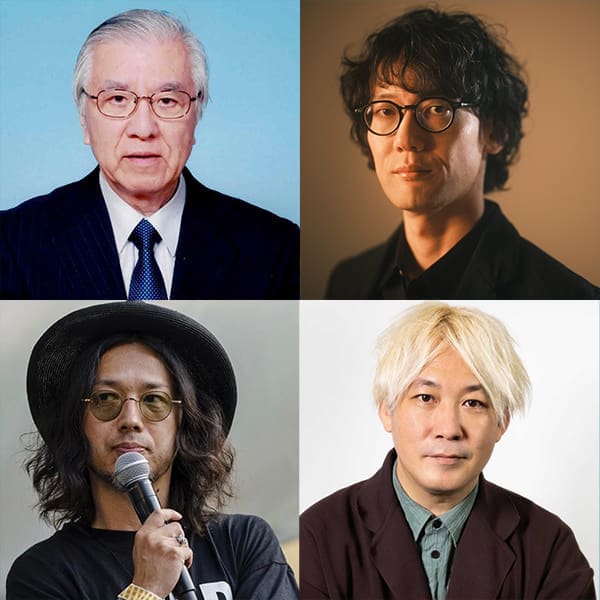
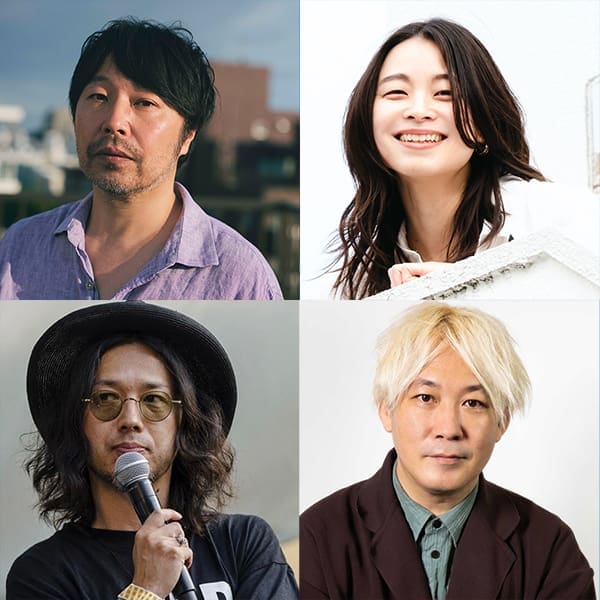
The event will be hosted by Daisuke Tsuda and Joe Yokomizo, who will appear on the talk stage for all three days.
| 7/25 (Sat) |
Theme: 15 years since the Fukushima AccidentIn 2026, 15 years after the Fukushima Daiichi nuclear power plant accident on March 11, 2011, journalist Daisuke Tsuda and writer Joe Yokomizo will report on the current situation in Fukushima, its recovery, and the decommissioning of the nuclear power plant. They will also be joined by Ikuo Anzai, who broadcasts "Peace and Nuclear Power Monologue" from a radio cafe in Sanjo, Kyoto, and philosopher Kohei Saito, who published "The Apocalypse of the Anthropocene" following his bestselling "Capital in the Anthropocene," which has sold over 500,000 copies. Together, they will exchange opinions on the Japanese government's energy policy, which has shifted towards restarting nuclear power plants, the future of renewable energy, and future energy policy.
|
|---|---|
| 7/26(Sun) |
Theme: War and PeaceFour years have passed since Russia under Putin's regime invaded Ukraine in 2022, and while the situation in the country remains dire, the Trump administration in the US suddenly joined forces with Israel to attack Iran. This has dealt a blow to the economy, causing prices to skyrocket for all kinds of materials and energy. The whole world is in a state of chaos. Calls for "no war" and "peace" are growing louder around the world. Following on from the 25th, Daisuke Tsuda and Joe Yokomizo will lead a discussion from the perspective of ordinary citizens, with musicians Rina Katahira and Keiichi Sokabe joining them. The live performances will include a solo performance by Keiichi Sokabe, and a stage featuring Rina Katahira, Boudou Club, and the a cappella group Nagie Lane performing "Kiyoshiro Imawano PEACE SONGS".
|
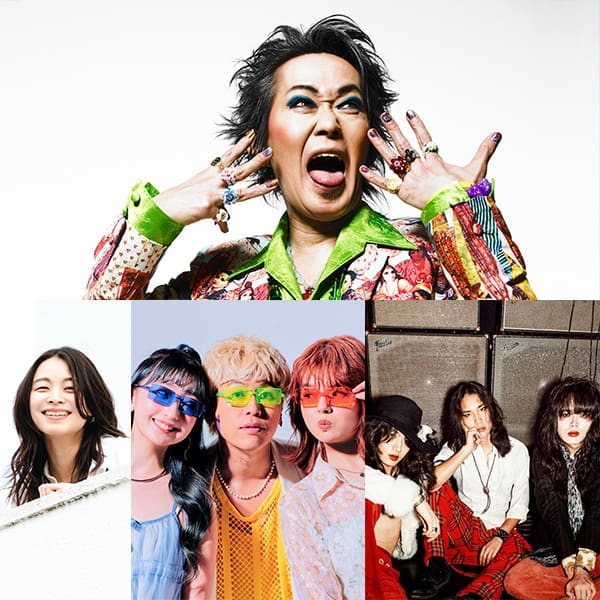
The Atomic Café
In 1957, the Campaign to Disarmament (CND) was established in the UK, and the peace sign, resembling a bird's foot, came to be used as an anti-nuclear symbol. Subsequently, in 1979, a concert titled "NO NUKES" (anti-nuclear/anti-atomic) was held featuring Jackson Browne and Bruce Springsteen, and in the 1980s, the CND symbol (peace sign) was displayed on the stage of the Glastonbury Festival in the UK, and the film "Atomic Café," a collection of propaganda footage about nuclear weapons and atomic power, was released nationwide in the US, raising awareness of anti-nuclear and anti-atomic power worldwide. Amidst this, in Japan, in 1984, a group of musicians came together to hold an anti-nuclear concert, "The Atomic Café Festival," at Hibiya Open-Air Concert Hall. Shogo Hamada and Yutaka Ozaki performed to raise awareness about the issues of nuclear weapons and nuclear power plants.
Two years later, in 1986, a major nuclear disaster occurred in Chernobyl, and in addition to concerts, they began holding talk events to convey the risks associated with nuclear power plants.
After that, The Atomic Café temporarily suspended their activities but made a comeback at FUJI ROCK in 2011. Since then, they have held an annual talk and live event at Gypsy Avalon, focusing on issues such as nuclear phase-out and energy transition, as well as various social issues including the environment and peace.